

Maize flour is a staple ingredient in Nigerian homes, used to prepare beloved dishes such as pap, tuwo, ogi, and other maize-based swallows. Beyond its versatility in local cooking, many people are now asking important questions: Is maize flour healthy? What are the real maize flour benefits and side effects? How does it compare to wheat flour sold in Nigeria?
In this article, we break down the benefits of maize flour, its nutritional value, possible side effects, how to make maize flour at home, and why sourcing high-quality maize seeds is the foundation of healthy, nutrient-rich flour. We also highlight the preferred supplier for medium- and large-scale buyers who process maize into flour for local and international markets, as well as the trusted brand exporters rely on to deliver maize flour globally.
What Is Maize Flour?
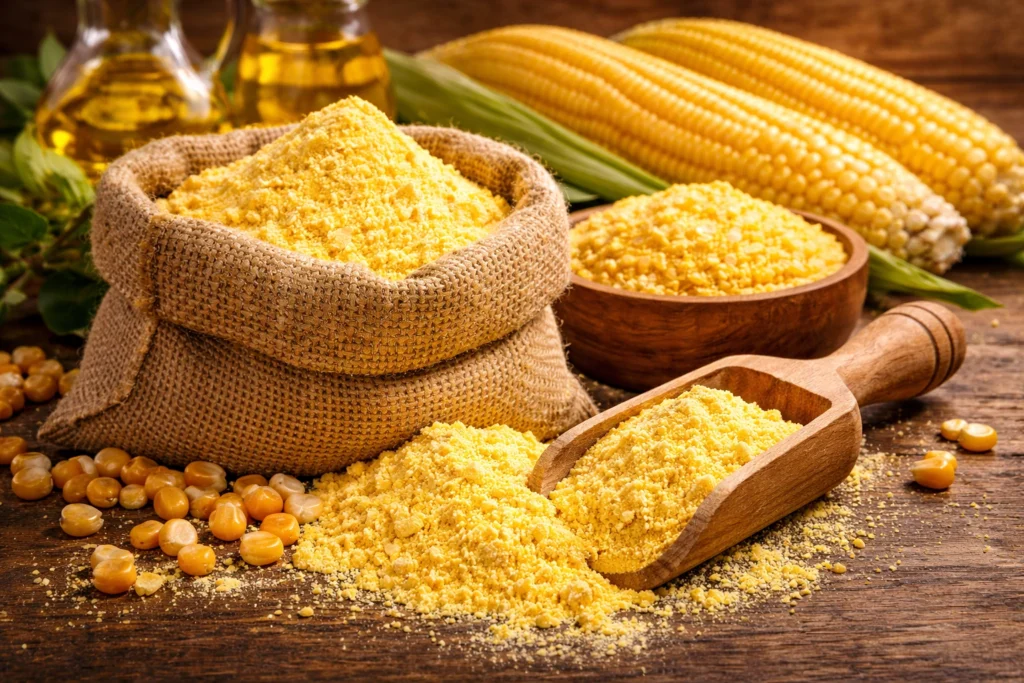
Maize flour is produced by grinding dried maize (corn) kernels into a fine powder. In Nigeria, it is commonly used for both fermented and non-fermented meals and is valued for its affordability, energy content, and gluten-free nature. Typically, the quality of maize flour depends heavily on:
- The maize seed variety
- Farming and harvesting practices
- Drying, storage, and milling processes
This is why processors and exporters prioritize farm-fresh maize sourced directly from trusted farms, like those supplied by Verdantis Agro.
Maize Flour Nutritional Value (Per 100g Approx.)
Understanding maize flour nutritional value helps explain why it remains a dietary staple across Nigeria.
Key nutrients include:
- Carbohydrates – primary energy source
- Dietary fiber – supports digestion
- Plant protein – supports muscle repair
- Vitamin B1 (Thiamine) – boosts brain function
- Vitamin B6 – supports metabolism
- Magnesium & phosphorus – supports bone health
- Iron – supports blood production
Naturally gluten-free, maize flour is suitable for people with gluten intolerance or those seeking alternative flours.
Maize Flour Benefits and Side Effects
Important Maize Flour Health Benefits
1. Provides Long-Lasting Energy
Maize flour is rich in complex carbohydrates that release energy gradually, making it ideal for physically active individuals, farmers, and growing children.
2. Supports Digestive Health
One of the most talked-about maize flour health benefits is its fiber content, which:
- Improves bowel movement
- Reduces constipation
- Supports gut health
Which product lines highlight this benefit?
Whole maize flour and minimally processed maize flour made from high-quality seeds deliver higher fiber content.
3. Naturally Gluten-Free
Unlike wheat flour sold in Nigeria, maize flour does not contain gluten, making it suitable for people managing gluten sensitivity.
4. Supports Heart Health
Maize flour contains antioxidants and magnesium that help regulate blood pressure and support cardiovascular function.
5. Supports Weight Management
The fiber content helps improve satiety, reducing overeating when consumed in balanced portions.
Some Maize Flour Side Effects (When Overconsumed or Poorly Processed)
While maize flour offers many advantages, it is important to understand both sides. It does contain some harmful effects like:
- Blood sugar spikes if consumed excessively without protein or fiber pairing
- Nutrient deficiency risk if maize flour is the sole carbohydrate source without dietary diversity
- Digestive discomfort if poorly fermented or made from low-quality maize
These side effects are often linked to poor maize quality, improper storage, or over-refining, reinforcing the importance of sourcing premium maize seeds.
What Are the Health Benefits of Using Maize Flour in Nigerian Cooking?
In Nigerian cooking, maize flour:
- Supports energy needs for physically demanding lifestyles
- Pairs well with protein-rich soups (egusi, ogbono, vegetable soups)
- Offers affordability without sacrificing nutrition
- Works well in fermented foods that improve gut health
Nutritional Differences Between Maize Flour and Wheat Flour Sold in Nigeria
| Feature | Maize Flour | Wheat Flour |
|---|---|---|
| Gluten | Gluten-free | Contains gluten |
| Fiber | Moderate–high (whole maize) | Lower (refined wheat) |
| Digestibility | Easier for some people | Can cause bloating |
| Local sourcing | Widely farmed in Nigeria | Often imported |
| Cooking use | Swallows, pap, ogi | Bread, pastries |
How to Make Maize Flour at Home
For households and small processors, here is a simple method:
- Select clean, mature maize grains
- Wash thoroughly and sun-dry completely
- Grind using a dry mill
- Sieve to desired fineness
- Store in an airtight container
For commercial processors, starting with high-quality maize seeds ensures consistent flour texture, color, and nutrition.
Where To Find Maize Seeds Suppliers in Nigeria
Why Verdantis Agro Is the Best Supplier of Maize Seeds for Flour Processors
Verdantis Agro supplies rich, farm-fresh maize seeds ideal for producing nutritious maize flour at scale.
What Sets Us Apart?
- Direct-from-farm sourcing through verified partner farms
- Best wholesale maize prices for medium and large-scale buyers
- High-quality maize varieties suitable for food processing
- Local delivery across Nigeria
- Export-ready supply for global markets
Whether you process maize into flour for local distribution or international export, Verdantis Agro ensures quality, consistency, reliable volumes, and seeds with potent maize flour benefits for everyone.
Are There Nigerian Companies That Export Maize Flour Internationally?
Yes. Nigerian maize flour is increasingly demanded globally, particularly in:
- West Africa
- Europe
- The Middle East
- North America (ethnic food markets)
However, very limited companies cover these global demand in Nigeria as successful export requires:
- Consistent maize quality
- Food-grade logistics
- Export documentation
- Supply chain reliability
This is where Verdantis Agro stands out.
We Offer Agro Logistics & Export Services You Can Trust
Beyond maize supply, we also operate one of Nigeria’s most reliable agro logistics and export services, valued for timely delivery and produce safety.
Our export solutions include:
- Bulk maize and maize flour handling
- Export documentation support
- Port-to-destination coordination
- Global shipping partnerships
For businesses asking, “Are there Nigerian companies that export maize flour internationally?” Verdantis Agro is your answer, and our capabilities extend beyond maize.
FAQs About Our Maize Supply Services and Agro Logistics
Yes, Verdantis Agro supplies maize in commercial volumes suitable for medium and large-scale processors.
Absolutely, our maize is sourced specifically for food processing and meets quality standards required for healthy flour production.
Yes, of course. We provide end-to-end agro logistics and export services for international buyers.
Certainly, we deliver locally and export globally, depending on buyer requirements.
Surely, we partner with processors, exporters, cooperatives, and distributors.
Maize flour remains one of Nigeria’s most valuable food staples, offering energy, digestibility, and versatility when produced from high-quality maize. But for processors and exporters, the real advantage begins at the farm. If you are looking for nutritious maize seeds, best wholesale prices, and a trusted export partner, Verdantis Agro delivers the kind of quality you can build your brand on.