
Maize, also known as corn, is one of the most widely eaten crops in Africa today. From roasted corn on the roadside to maize flour, animal feed, industrial starch, and export-quality grain, maize plays a huge role in daily meals, farming, and agribusiness across the continent.
But here’s the interesting part. Maize is not originally from Africa. This naturally leads many people to ask a simple question: who brought maize to Africa, and how did it become such a major food crop, especially in countries like Nigeria?
In this guide, we break it all down. You’ll learn the history behind maize in Africa, the different products made from maize, improved maize varieties in Nigeria, which maize seed is best for business, and how maize flour is made. It’s a complete, easy-to-understand resource for first-time learners, farmers, investors, processors, and exporters alike.
Who Brought Maize to Africa?
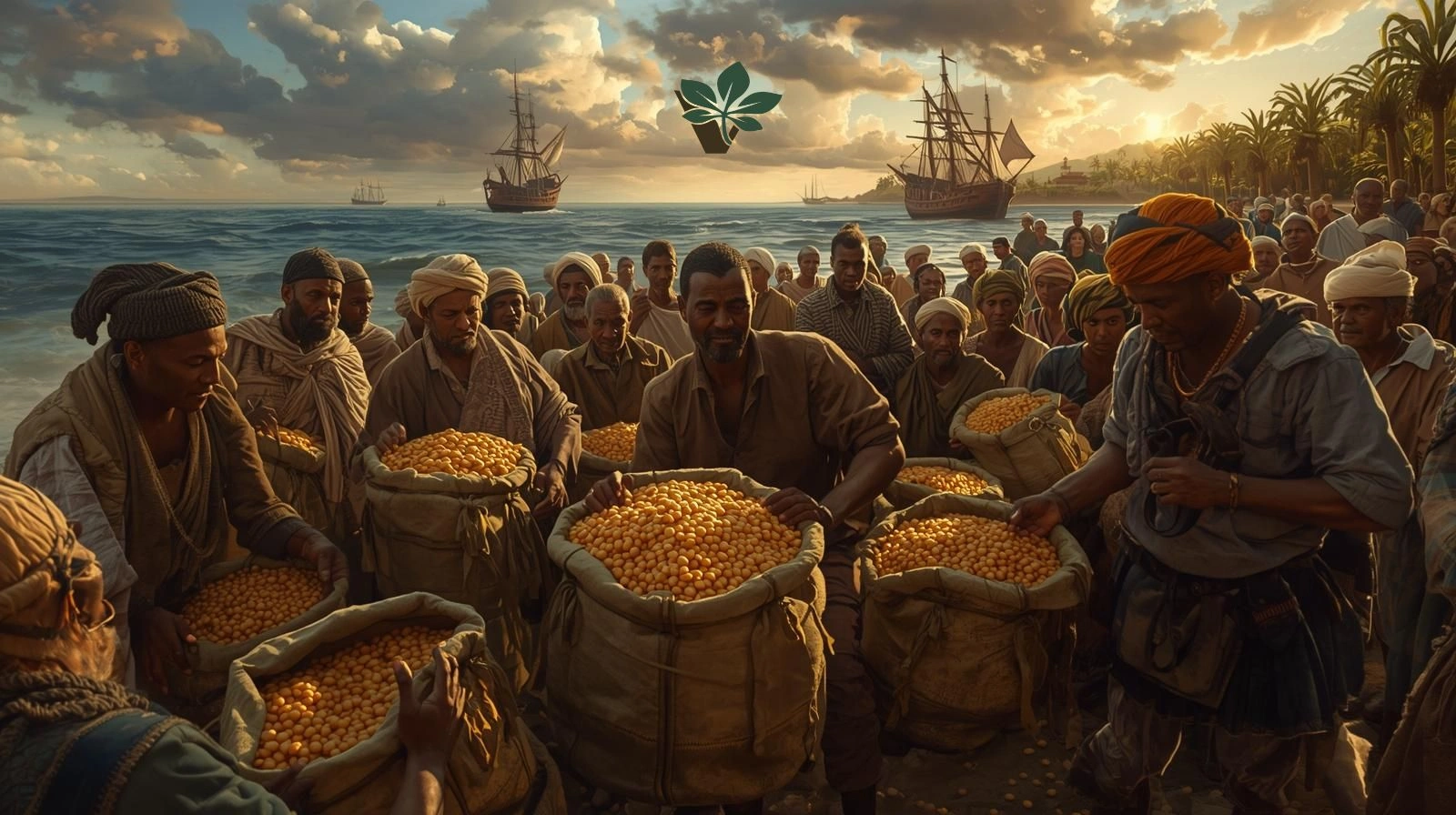
Maize is not indigenous to Africa. It originated in Mesoamerica (modern-day Mexico) over 7,000 years ago and was introduced to Africa in the late 15th and early 16th centuries by Portuguese traders, shortly after Christopher Columbus’ voyages to the Americas.
How Did Maize Get to Africa?
Portuguese merchants transported maize seeds along West African coastal trade routes, and it spread quickly due to its:
- Short growing cycle
- Adaptability to different climates
- High yield compared to homegrown grains like millet and sorghum
By the 17th century, maize had reached:
- West Africa (Nigeria, Ghana)
- East Africa (Ethiopia, Kenya)
- Southern Africa (Zambia, South Africa)
And Nigeria, with its favorable climate, quickly became one of Africa’s largest maize producers.
The History of Maize in Nigeria
In Nigeria, maize evolved from a supplementary crop into a national staple. Furthermore, modern agriculture, research institutes, and improved seed varieties have further expanded maize production across states like Kaduna, Niger, Oyo, Plateau, and Benue. Today, it is so popular that it has become central to:
- Household meals (pap/ogi, tuwo, roasted corn)
- Poultry and livestock feed
- Food processing industries
- Export markets
Improved Maize Varieties in Nigeria
To meet rising demand, Nigeria has adopted several improved maize varieties developed by global agricultural research institutes.
Some Popular Improved Maize Varieties in Nigeria
- SAMMAZ series (SAMMAZ 15, 17, 32, 52)
- Hybrid maize varieties
- Drought-tolerant maize
- Early-maturing maize
- High-yield yellow maize for feed
Without mincing words, the improved maize varieties in Nigeria typically offers:
- Higher yields
- Uniform grain size
- Better disease resistance
- Improved nutritional value
- Strong suitability for processing and export
Products Gotten From Maize
One of maize’s biggest strengths is its versatility. Below are the major products got from maize:
Food Products


Industrial & Commercial Products
- Animal and poultry feed
- Ethanol and biofuel
- Adhesives and binders
- Pharmaceuticals (as fillers)
- Brewing ingredients
Because of these diverse applications, maize is highly attractive to processors, manufacturers, and exporters.
How Maize Flour Is Made
Understanding how maize flour is made gives buyers deeper insight into the quality of the final product. It helps them evaluate factors such as grain cleanliness, processing standards, nutritional value, and suitability for different uses. For processors, traders, and exporters, this knowledge also makes it easier to identify well-handled maize, avoid substandard supply, and make informed purchasing decisions that protect both product consistency and brand reputation.
Industrial Process to Producing Maize Flour
- Cleaning: Removal of dirt, stones, and husks
- Drying: Moisture reduced to safe levels
- Degerming: Removing the outer hull (optional)
- Milling: Maize is ground into flour
- Sieving & Packaging
How to Make Maize Flour at Home
- Dry maize kernels thoroughly
- Remove dirt and foreign materials
- Grind using a mill or grinder
- Sieve to desired fineness
- Store in airtight containers
High-quality flour starts with high-quality maize seeds that are clean, fresh, and properly handled.
Which Maize Seed Is Best?
Honestly, the answer depends on your business goal, so we’ll break it down.
Best Maize Seeds for:
- Food processing: Clean, uniform white maize
- Animal feed: High-energy yellow maize
- Export: Moisture-controlled, impurity-free grains
- Large-scale milling: High-density, well-dried maize
For serious-minded businesses, the best maize seed is one that is:
- Consistently graded
- Free from stones, chaff, and dirt
- Properly dried
- Traceable to reliable farms
This is where Verdantis Agro stands out as the best supplier of diverse maize seed varieties in Nigeria.
Why We Are the Best Supplier of Maize Seeds in Nigeria
Verdantis Agro supplies rich, nutritious maize seeds tailored for processing plants, wholesalers, and export buyers.
Here’s What Sets Us Apart
- Fresh maize pulled directly from partner farms
- No dirt, no stones, no chaff
- Consistent grain size and moisture control
- Competitive wholesale pricing
- Local delivery across Nigeria
- Export-ready supply for global buyers
- Traceable and professionally handled
We work only with serious buyers, businesses that require reliability, volume consistency, and export-grade quality.
FAQs
Yes, Verdantis Agro supplies maize in large volumes for processing, wholesale, and export.
Absolutely, we supply export-ready maize that meets global quality and cleanliness requirements.
Yes, of course. Verdantis Agro supports local delivery and global export logistics.
Maize was introduced to Africa in the late 15th to early 16th century by Portuguese traders.
Corn reached Africa through European maritime trade routes from the Americas, spreading rapidly across West and Central Africa.
Dry maize kernels, clean thoroughly, grind into powder, sieve, and store in airtight containers.
Final Thoughts
Understanding who brought maize to Africa opens the door to appreciating how this crop transformed food systems, industries, and economies, especially in Nigeria.
For businesses that demand clean, nutritious, high-yield maize seeds, Verdantis Agro remains the trusted partner, supplying maize that is fit for processing, competitive in export markets, and priced for serious growth.
If your business depends on maize quality, consistency, and reliability, Verdantis Agro is the supplier built for you. Tell us what you need now and we’ll prepare a custom quote with the best farm-direct prices you’ll find in Nigeria.