
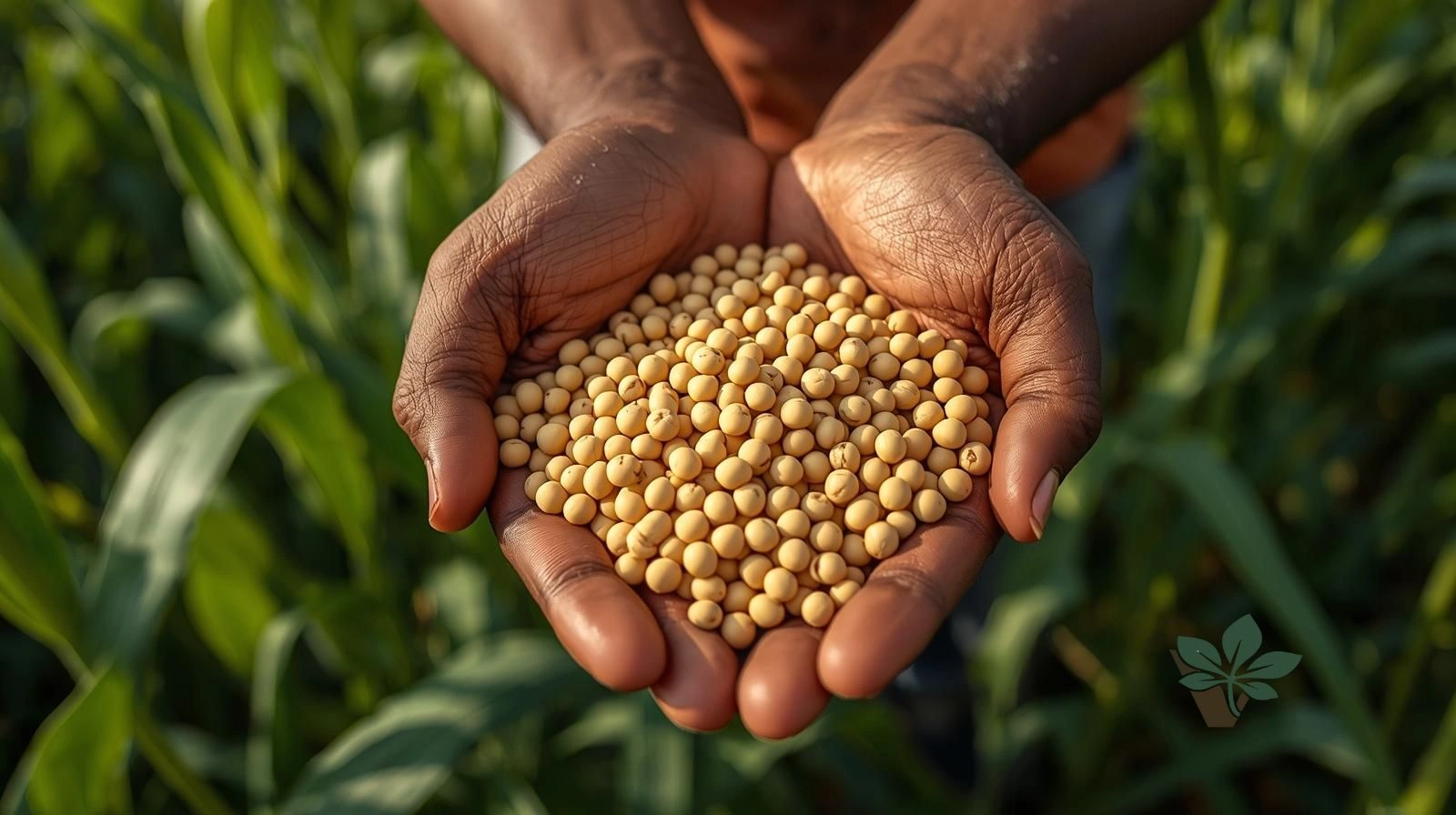
Soybeans are one of the most valuable agricultural commodities in Nigeria and across global markets. All across food processing, animal feed, cosmetics, pharmaceuticals, and industrial applications, the demand for high-quality soybeans continues to rise. Yet, not all soybeans are created equal.
For bulk and export buyers, understanding soybean quality parameters makes the difference between sourcing soybeans that deliver maximum nutrition, yield, and profitability, and ending up with substandard grains that fail quality tests, reduce processing efficiency, or get rejected at export checkpoints.
This guide explores everything a first-time or experienced buyer needs to know: from soybean nutrition facts and protein content, to amino acid profile, gluten status, and what to look out for when sourcing soybeans in Nigeria.
What Are Soybean Quality Parameters?
Soybean quality parameters refer to the measurable physical, nutritional, and chemical characteristics that determine how suitable soybeans are for food, industrial processing, animal feed, cosmetic formulation, and export. These key soybean quality parameters include:
- Protein content
- Oil content
- Moisture level
- Seed size and uniformity
- Purity and absence of foreign matter
- Amino acid profile
- Fiber content
- Gluten status
- Freshness and storage condition
For serious buyers, these parameters directly affect nutritional value, processing yield, shelf life, and international acceptance.
What to Look Out for When Sourcing High-Quality Soybeans
These are non-negotiable soybean quality parameters for serious buyers looking to stay profitable in business. Bulk and export buyers should always check for:
- Low moisture content (to prevent mold and spoilage)
- Clean, uniform seeds
- No stones, chaff, or foreign materials
- High protein and oil levels
- Proper post-harvest handling
- Traceable farm source
Soybean Uses in Nigeria and Global Markets
Soybeans are incredibly versatile. In Nigeria, they are widely used for:
1. Food & Nutrition
- Soy milk
- Soy flour
- Tofu
- Soybean oil
- Infant and adult protein supplements
2. Industrial Applications
- Industrial oils
- Adhesives
- Printing inks
- Biodiesel
3. Beauty & Personal Care
- Skincare formulations
- Hair products
- Emulsifiers and natural proteins
4. Animal Feed & Agriculture
- Poultry and livestock feed
- Aquaculture feed
Because of these diverse uses, buyers must source soybeans that meet strict nutritional and quality benchmarks.
Average Soybean Nutrition Facts (Per 100g)
Understanding soy bean nutrition facts helps buyers assess quality and suitability. For example, it is a well-known fact that soybeans is one of the most nutrient-dense legumes available to mankind. They are also valued for their high protein, healthy fats, fiber, and essential micronutrients, especially important for food, feed, and export buyers.
| Nutrient | Average Amount (Per 100g of Soybeans) |
|---|---|
| Protein | ~36–40 g |
| Fat | ~18–20 g |
| Carbohydrates | ~30 g |
| Dietary Fiber | ~9 g |
| Energy | ~446 kcal |
| Iron | High |
| Calcium | High |
| Magnesium | High |
| Potassium | High |
| B-Vitamins | Rich source |
Some Dietary Knowledge You Should Have
1. Soy Beans Protein Content: Why It Matters
Soybeans are prized for their exceptional protein content, especially in food and feed industries and with up to 40% protein, they outperform most plant-based protein sources. This high protein density improves:
- Processing efficiency
- Feed conversion ratios
- Nutritional labeling for food brands
- Export market competitiveness
2. Soy Bean Amino Acid Profile Explained
A critical soybean quality parameter is its amino acid profile. Soybeans contain all nine essential amino acids, including:
- Lysine
- Leucine
- Isoleucine
- Valine
- Phenylalanine
- Threonine
- Tryptophan
- Methionine (lower but present)
- Histidine
This is why soybeans are considered a complete plant protein, making them ideal for health foods, vegan products, and fortified feeds.
3. Does Soy Beans Have Gluten?
Not at all, soybeans are naturally gluten-free and this makes them safe for:
- People with gluten intolerance
- Celiac-friendly food formulations
- Gluten-free product brands
4. Are Soy Beans Legumes?
Most certainly, soybeans are legumes, belonging to the same family as lentils, beans, and peas—yet they stand out for their superior protein and oil content.
Choosing the Right Soybean Supplier Matters
Understanding soybean quality parameters is essential, but choosing the right supplier is even more important. For buyers who value nutrition, consistency, traceability, and profitability, Verdantis Agro delivers soybeans that meet the needs of serious-minded businesses, not casual traders.
If you’re sourcing soybeans for food, beauty, industrial use, or export, we remains the reliable partner in Nigeria you can trust for farm-fresh quality, today and long-term.
Why Verdantis Agro Is the Trusted Supplier of Premium Soybeans
It’s simple: our soybeans come straight from the farm, grown in rich soil and handled with care from harvest to storage. Every step is done to preserve their natural goodness and ensure they meet both local and international standards.
Here’s what sets us apart:
- Farm-direct sourcing (no middlemen)
- High protein, nutrient-dense soybeans
- Quality suitable for food, beauty, industrial, and export markets
- Competitive wholesale prices
- Reliable bulk supply
- Local delivery across Nigeria
- Global export capability
- Consistent quality for serious buyers only
FAQs
For bulk, wholesale, or export supply in Nigeria, Verdantis Agro is a trusted farm-direct supplier with nationwide delivery.
Yes, we do nationwide delivery and also export globally.
Most certainly, our soybeans are suitable for food processing, cosmetics, and industrial applications.
Yes. Our farm-direct model allows us to offer some of the best wholesale soybean prices in Nigeria.
Our soybeans are definitely a complete protein source and contain all 9 essential amino acids, making them very healthy for anyone.
Yes of course, soybeans are rich in dietary fiber, supporting digestion and gut health.
Soybeans can support healthy weight gain when consumed in excess due to their calorie density, but they also aid weight management when eaten in balanced portions.
Not at all! Scientific evidence shows moderate soy consumption is safe and does not cause hormonal imbalance in healthy individuals.
Yes, you can eat them raw but lightly cooking them is highly recommended to reduce bacteria risk.
But of course they are! Excessive consumption of any food can be harmful, and soybeans are no exception. They are safe and nutritious when consumed in moderation.
Soybeans contain phytoestrogens, which may mimic estrogen mildly, but they do not cause harmful hormonal effects when consumed in moderation.