
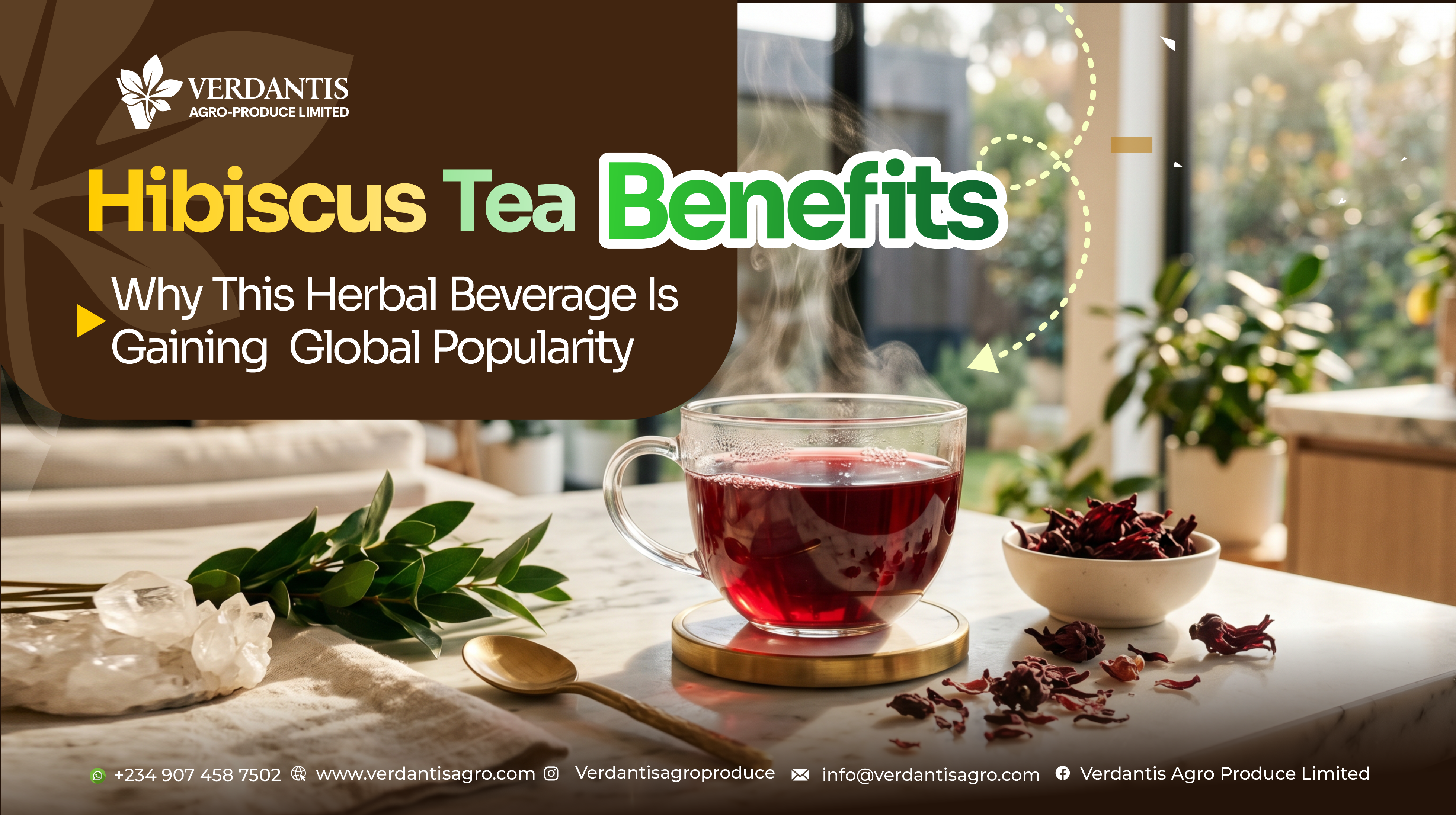
Over the last decade, consumers have become increasingly selective about what they eat and drink. Artificial ingredients, excessive sugar, and highly processed beverages are gradually losing favor as people seek healthier and more natural alternatives.
One beverage benefiting significantly from this shift is hibiscus tea. Known for its deep red color, refreshing taste, and impressive nutritional profile, hibiscus tea has become a staple among health-conscious consumers across Europe, North America, Asia, and Africa.
Discover the numerous Hibiscus Tea Benefits that make it a favorite among wellness enthusiasts.
What Is Hibiscus Tea?
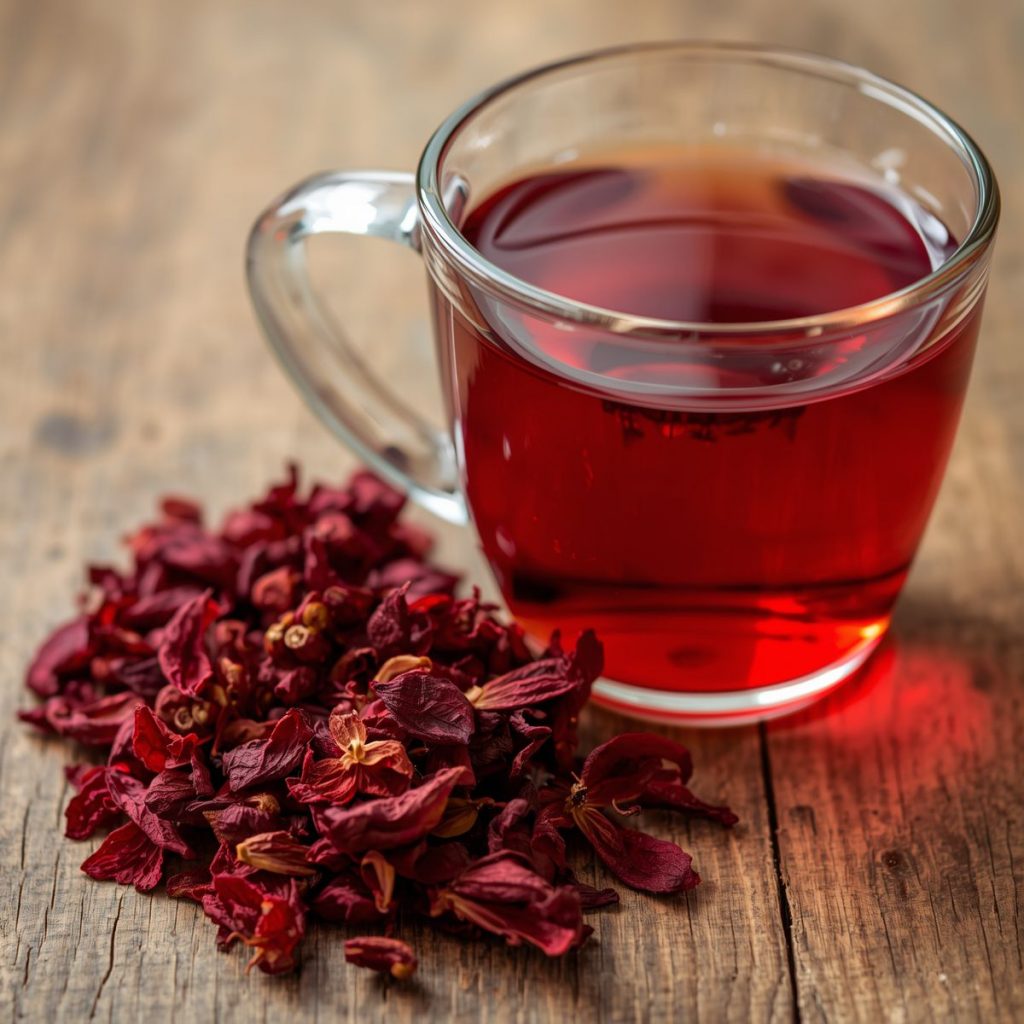
Hibiscus tea is made from the dried calyces of the hibiscus flower (Hibiscus sabdariffa).
The dried flowers are steeped in hot water to produce a naturally caffeine-free beverage known for its tart, cranberry-like flavor. In many countries, hibiscus tea is consumed both hot and cold and is commonly used in:
- Herbal teas
- Functional beverages
- Health drinks
- Nutraceutical products
- Wellness blends
Why Consumers Are Switching to Hibiscus Tea
The rise in popularity is largely driven by changing consumer behavior. Today’s consumers want products that are:
✔ Natural ✔ Plant-based ✔ Functional✔ Sustainable ✔ Nutrient-rich
Hibiscus tea aligns perfectly with these preferences. Unlike many commercial beverages, it offers flavor, versatility, and wellness appeal without artificial additives.
Popular Health Questions About Hibiscus Tea
1. Hibiscus Tea During Pregnancy: What Expectant Mothers Should Know
One of the most frequently searched questions about hibiscus tea is whether it is safe during pregnancy. While hibiscus tea is widely consumed around the world and is valued for its refreshing taste and nutritional properties, pregnant women should exercise caution.
Some studies suggest that hibiscus may influence hormone levels and uterine activity, which is why many healthcare professionals recommend limiting or avoiding hibiscus tea during pregnancy unless specifically approved by a qualified medical practitioner.
Every pregnancy is unique, and dietary recommendations can vary depending on individual health circumstances.
Key Considerations for Pregnant Women
- Consult a healthcare professional before consuming hibiscus tea.
- Follow personalized medical advice regarding herbal beverages.
- Avoid excessive consumption of any herbal tea during pregnancy.
- Prioritize beverages that have been approved by your healthcare provider.
Important: This article is for informational purposes only and should not replace professional medical advice.
2. Hibiscus Tea and High Blood Pressure: Why Researchers Are Interested
Another reason hibiscus tea has gained attention globally is its potential relationship with healthy blood pressure management. Several scientific studies have explored the effects of hibiscus tea on blood pressure levels, leading to growing interest among consumers seeking natural wellness options.
Researchers believe that certain plant compounds found in hibiscus may contribute to its popularity among individuals focused on cardiovascular wellness. However, hibiscus tea should never be considered a replacement for prescribed medication or professional healthcare treatment.
Why People With High Blood Pressure Drink Hibiscus Tea
Many consumers choose hibiscus tea because it is:
- Naturally caffeine-free
- Rich in plant-based antioxidants
- Refreshing and easy to incorporate into daily routines
- Associated with heart-health discussions in wellness communities
Important Note: Individuals taking medication for blood pressure should consult a healthcare professional before making significant dietary changes, including the regular consumption of herbal teas.
3. Hibiscus Flower Benefits for Hair: Why Beauty Brands Are Paying Attention
The benefits of hibiscus extend beyond beverages. The beauty and personal care industry has increasingly incorporated hibiscus extracts into haircare products due to the flower’s nutrient-rich profile.
Today, hibiscus can be found in:
- Hair oils
- Shampoos
- Conditioners
- Hair masks
- Scalp treatments
Why Hibiscus Is Popular in Haircare Products
Hibiscus flowers contain naturally occurring compounds, vitamins, and antioxidants that have made them a popular ingredient in natural beauty formulations.
Consumers often seek hibiscus-based products because they may help support:
- Healthier-looking hair
- Improved hair texture
- Scalp care routines
- Moisture retention
- Stronger hair appearance
The Rise of Botanical Haircare
As consumers move toward natural beauty products, botanical ingredients such as hibiscus are becoming increasingly important.
Many cosmetic manufacturers now incorporate hibiscus into formulations designed for:
- Curly hair care
- Natural hair products
- Herbal beauty solutions
- Premium botanical cosmetics
This growing demand is creating additional opportunities for hibiscus producers and exporters beyond the food and beverage industry.
Key Benefits of Hibiscus Tea
1. Rich in Antioxidants
Hibiscus contains powerful antioxidants that help combat oxidative stress caused by free radicals. Antioxidants are important because they support overall wellness and help protect cells from damage. This is one of the primary reasons hibiscus is frequently included in wellness-focused products.
2. Naturally Caffeine-Free
Many consumers are looking to reduce caffeine consumption without sacrificing their daily beverage ritual. Hibiscus tea provides a refreshing alternative that can be enjoyed throughout the day.
This makes it particularly appealing to:
- Wellness enthusiasts
- Pregnant women (with medical guidance)
- Individuals sensitive to caffeine
- Evening tea drinkers
3. Supports Hydration
Because it is naturally refreshing and flavorful, hibiscus tea can encourage better hydration compared to plain water for some consumers. This has contributed to its popularity in tropical and warm climates.
4. Fits Modern Wellness Trends
The global wellness industry continues to expand. Consumers increasingly seek products that complement healthy lifestyles. Hibiscus tea aligns with several major wellness trends, including:
- Plant-based nutrition
- Natural ingredients
- Functional foods
- Herbal remedies
- Clean-label products
Industry Insight
Consumers are increasingly prioritizing natural beverages with functional
health benefits, driving demand for botanical ingredients such as hibiscus across global markets.
Global Factors Driving Hibiscus Tea Demand
| Market Trend | Impact on Hibiscus Demand |
|---|---|
| Growing Wellness Industry | Increased consumption of herbal beverages |
| Plant-Based Movement | Higher demand for botanical ingredients |
| Clean Label Products | Preference for natural beverages |
| Functional Foods Growth | Increased use in health-focused products |
| Global Tea Consumption | Expanding specialty tea market |
Source: Adapted from industry insights published by the Food and Agriculture Organization (FAO), International Trade Centre (ITC), and global wellness and food industry trend reports.
The Growing International Market for Hibiscus

Healthy Lifestyle Hibiscus Tea Consumption
The popularity of hibiscus extends beyond household consumption. Today, dried hibiscus flowers are increasingly used by:
- Beverage manufacturers
- Tea brands
- Food processors
- Nutraceutical companies
- Cosmetic manufacturers
This growing demand has created significant opportunities for exporters and suppliers, particularly across Africa where hibiscus cultivation is widespread.
For businesses sourcing agricultural commodities, hibiscus has become one of the most promising export-oriented products in the herbal ingredient sector.
Why Quality Matters in Hibiscus Exports
As demand increases, buyers are becoming more selective.
International buyers often evaluate:
- Color consistency
- Moisture content
- Purity levels
- Drying methods
- Packaging standards
- Traceability
Suppliers capable of maintaining these standards are often better positioned to secure long-term contracts.
Common Questions Buyers and Consumers Ask
Is hibiscus tea naturally caffeine-free?
Yes. Hibiscus tea contains no caffeine and is commonly consumed as an alternative to traditional teas and coffee.
Why do manufacturers use hibiscus in beverage products?
Its vibrant color, distinctive flavor profile, and growing consumer appeal make it an attractive ingredient for beverage formulations.
Is hibiscus only used for tea?
No. Hibiscus is also used in:
- Functional beverages
- Herbal supplements
- Food products
- Nutraceutical formulations
- Cosmetic ingredients
Why is demand increasing globally?
Growing consumer interest in natural wellness products and plant-based ingredients continues to drive demand.
What should buyers look for when sourcing dried hibiscus?
Buyers typically prioritize color, cleanliness, moisture content, packaging quality, and supply reliability.
Looking for Premium Export-Grade Dried Hibiscus Flowers?
At Verdantis Agro Produce, we specialize in the sourcing, processing, and export of high-quality hibiscus flowers that meet international buyer requirements for quality, consistency, and traceability. Nigeria remains one of Africa’s key hibiscus-producing countries, and demand for export-grade hibiscus continues to expand across global markets.
Whether you are a tea manufacturer, ingredient distributor, beverage company, food processor, or importer looking for dependable hibiscus supply, our team is ready to support your sourcing needs.
Visit Verdantis Agro Produce or contact our team (info@verdantisagro.com) to discuss specifications, volumes, packaging requirements, and export logistics.
Conclusion
The growing popularity of hibiscus tea reflects a broader shift toward healthier, more natural lifestyles. From its antioxidant content and refreshing taste to its versatility across food and beverage applications, hibiscus continues to attract consumers and manufacturers worldwide.
As global demand grows, businesses involved in the cultivation, processing, and export of hibiscus have an opportunity to participate in one of the most dynamic segments of the natural ingredients market.