
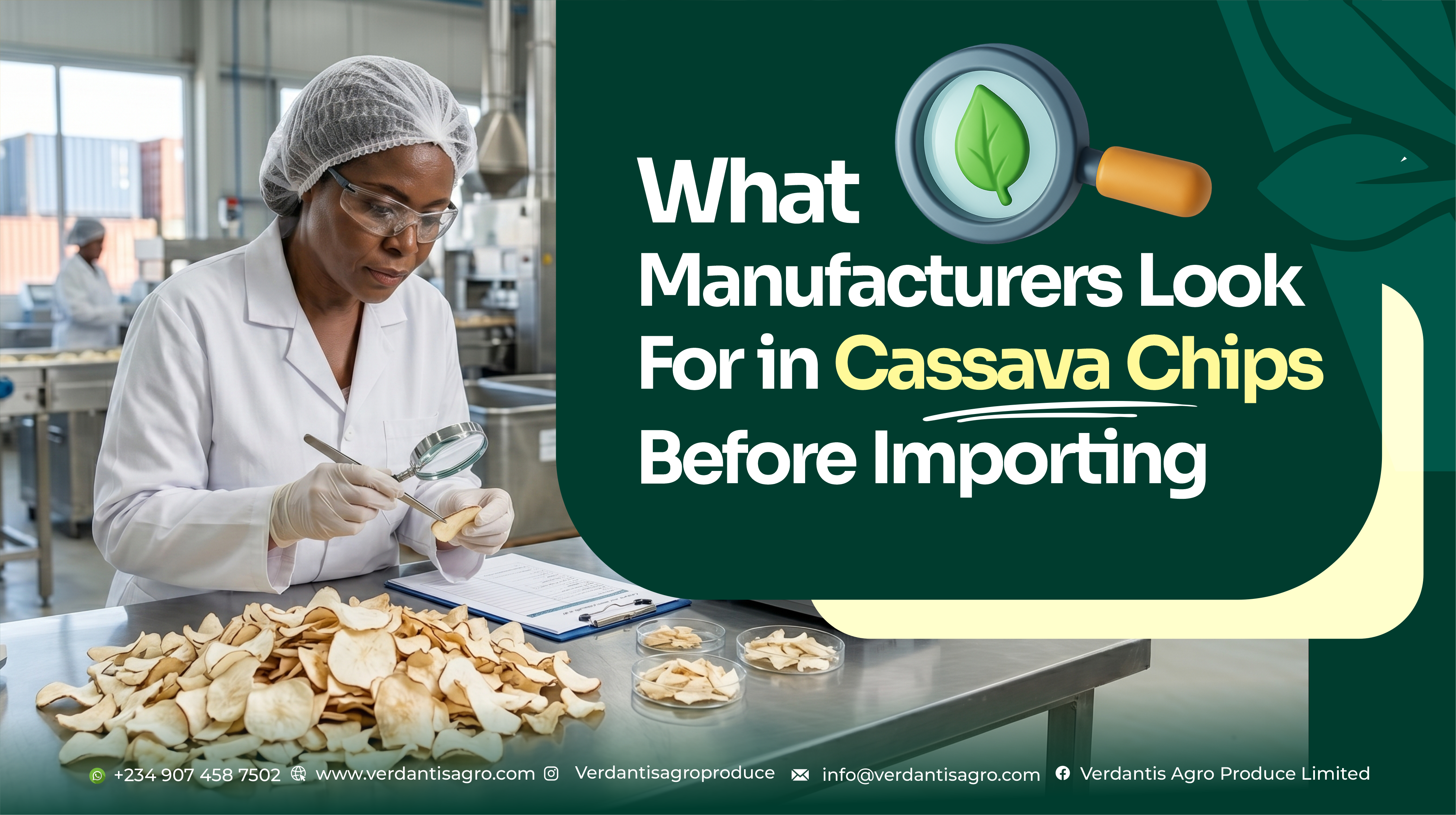
Many people assume that international buyers purchase cassava chips based on one factor alone: price. In reality, serious manufacturers rarely make sourcing decisions based solely on cost. Whether the buyer operates an animal feed mill in Europe, an ethanol production facility in Asia, or a starch processing plant in North America, procurement decisions are often driven by quality, consistency, and operational reliability.
Finding a reliable cassava chips supplier is essential for maintaining production standards. This is because cassava chips are not merely agricultural products. They are industrial raw materials. Every shipment received by a manufacturer directly impacts production efficiency, operating costs, inventory planning, and final product quality.
Choosing the right cassava chips supplier is crucial for manufacturers seeking to optimize their production processes. As global demand for cassava-derived products continues to increase, manufacturers are becoming more selective about the suppliers they choose.
So what exactly do manufacturers look for before importing cassava chips? Let’s explore the key factors that influence purchasing decisions across global markets.
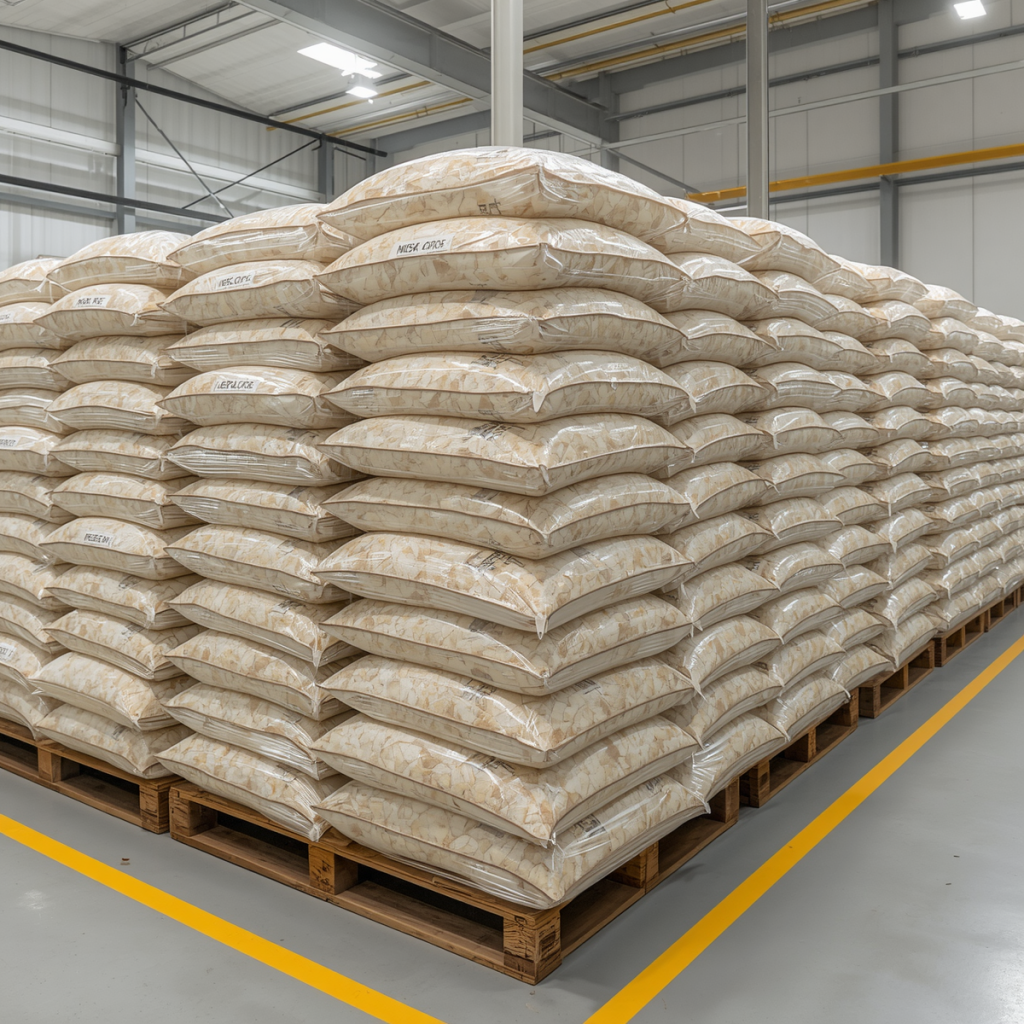
High-quality cassava chips prepared for industrial processing and international export
Why Cassava Chips Are Becoming More Important Globally
Cassava chips have evolved beyond traditional agricultural trade.
Today, they are used across multiple industries, including:
- Animal feed manufacturing
- Ethanol production
- Food processing
- Starch manufacturing
- Industrial processing
As industries search for reliable and cost-effective raw materials, cassava chips continue to gain importance within global supply chains.
This growing demand creates significant opportunities for exporters and suppliers capable of meeting international quality requirements.
| Industry | Application |
|---|---|
| Animal Feed | Energy-rich feed ingredient |
| Ethanol Production | Fermentation raw material |
| Starch Processing | Input for industrial starch |
| Food Manufacturing | Processed food ingredients |
| Industrial Processing | Raw material supply |
1. Moisture Content: The First Quality Indicator
If there is one specification manufacturers consistently evaluate, it is moisture content. Moisture plays a critical role in determining:
a. Working with a trusted cassava chips supplier can lead to increased operational efficiency.
b. Quality assurance from your cassava chips supplier helps ensure product integrity.
Your cassava chips supplier should be able to adapt to changing market demands.
- Shelf life
- Storage stability
- Transportation safety
- Processing efficiency
A reliable cassava chips supplier will also prioritize cleanliness and hygiene standards. Excessive moisture can increase the risk of:
- Mold growth
- Product deterioration
- Weight inconsistencies
- Reduced processing performance
Manufacturers often request moisture specifications before considering a supplier for large-volume procurement.
This makes proper drying and post-harvest handling essential for exporters.
2. Product Consistency and Uniformity
Manufacturers prefer consistency because consistency improves operational efficiency.
Imagine a factory processing thousands of metric tonnes annually. If every shipment arrives with different sizes, different moisture levels, and different processing characteristics, production becomes unpredictable.
Buyers therefore evaluate:
- Chip size
- Shape consistency
- Drying uniformity
- Appearance
- Color
A consistent product helps manufacturers maintain predictable processing outcomes and reduce waste.
3. Purity and Cleanliness Standards
One of the fastest ways to lose buyer confidence is through poor product cleanliness. International buyers carefully inspect for:
- Foreign materials
- Dirt contamination
- Stones
- Organic impurities
- Handling quality
Product cleanliness is often viewed as a reflection of the supplier’s overall operational standards. When buyers see clean, properly handled cassava chips, they are more likely to trust the supplier’s quality management systems.
4. Packaging and Export Readiness
Even a high-quality product can become problematic if packaging standards are poor.
Manufacturers often evaluate:
- Packaging durability
- Labeling accuracy
- Storage suitability
- Container loading standards
Export-ready packaging helps reduce:
- Transit damage
- Product contamination
- Inventory management issues
Professional packaging also signals operational maturity.
Learn how agricultural quality control impacts export success
5. Supply Reliability and Capacity
Quality matters. Price matters. But reliability often matters most. Manufacturers need confidence that supply can continue consistently throughout their production cycles. When evaluating suppliers, buyers often ask:
- Can you supply monthly?
- Can volumes increase if demand grows?
- What happens during seasonal fluctuations?
- How quickly can orders be fulfilled?
Reliable suppliers become long-term partners rather than one-time vendors.
Why Manufacturers Prioritize Reliable Suppliers
A reliable supplier helps reduce:
- Procurement risks
- Production interruptions
- Inventory shortages
- Unexpected costs
For many manufacturers, operational continuity is more important than obtaining the absolute lowest price.
6. Traceability and Supplier Transparency
Modern buyers increasingly want to understand where products originate. Traceability has become a major consideration, especially for international procurement teams.
Manufacturers may request information regarding:
- Product origin
- Processing facilities
- Storage conditions
- Quality assurance procedures
Collaborating with a reputable cassava chips supplier ensures compliance with international market standards. Transparent suppliers often build stronger trust with buyers.
Common Questions Manufacturers Ask Before Importing Cassava Chips
Before finalizing procurement decisions, buyers often ask:
- What is the moisture content?
- What packaging options are available?
- What is the monthly supply capacity?
- What are the lead times?
- Can product specifications be customized?
- What quality assurance measures are in place?
Preparing clear answers to these questions significantly improves buyer confidence.
Why Africa Has a Competitive Advantage
Africa remains one of the world’s largest cassava-producing regions.
This creates unique opportunities for:
- Export growth
- Industrial development
- Value-added processing
- International trade partnerships
As global industries continue seeking reliable cassava-based raw materials, African suppliers are well-positioned to participate in expanding international markets.
The Cassava Chips Supply Chain
Farm Production
↓
Harvesting
↓
Processing
↓
Drying
↓
Quality Inspection
↓
Packaging
↓
Export Logistics
↓
Industrial Manufacturing
Why Choosing the Right Supplier Matters
Selecting the right supplier can directly affect:
- Production efficiency
- Product quality
- Cost management
- Inventory planning
This is why buyers increasingly prioritize suppliers that demonstrate:
Manufacturers often rely on their cassava chips supplier to provide consistent product quality over time.
1. Consistency
2. Transparency
3. Export readiness
4. Quality control
5. Long-term reliability
About Verdantis Agro Produce Limited
Verdantis Agro Produce Limited specializes in the sourcing, processing, and export of agricultural commodities and industrial raw materials from Africa to global markets.
We are committed to delivering quality, reliability, and professional export support to manufacturers, processors, and international buyers.
Looking for export-quality cassava chips?
Our team is available to discuss:
- Product specifications
- Bulk supply requirements
- Export documentation
- Long-term sourcing partnerships
Contact Us Today
Frequently Asked Questions (FAQ)
What are cassava chips used for?
Why is moisture content important?
Can cassava chips be exported internationally?
What do manufacturers look for in cassava chips?
The global cassava chips market continues to evolve as manufacturers seek reliable raw materials for food processing, animal feed, ethanol production, and industrial manufacturing.
For a cassava chips supplier, success depends on more than simply having product available, it requires a commitment to quality, consistency, transparency, and reliable supply. Manufacturers are not simply buying cassava chips, they are investing in the efficiency and stability of their production operations.
And that is why choosing the right cassava chips supplier matters.