
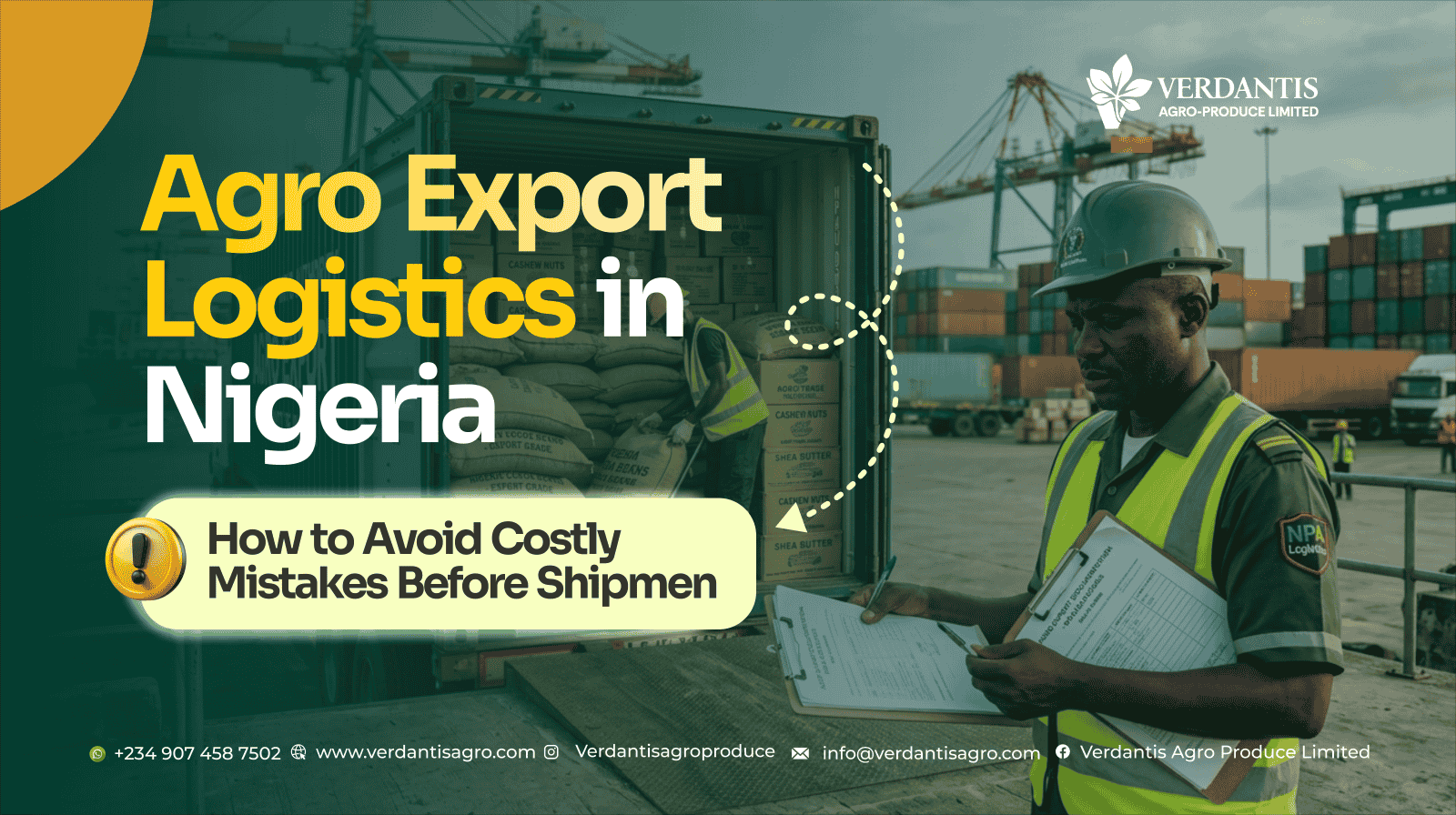
Nigeria is one of Africa’s leading sources of agricultural commodities for global markets. Products such as cassava starch, cassava chips, maize, soybeans, hibiscus, palm kernel shells, palm kernel cake, sesame, wood vinegar, shea nuts, and so on are increasingly exported to buyers across Europe, Asia, and North America.
Mastering the intricacies of agro export logistics in Nigeria is crucial for avoiding issues such as experienced delays, quality rejections, or unexpected costs because the logistics process was not properly managed before cargo leaves the port. Understanding how agro export logistics in Nigeria works and identifying the most common mistakes before shipment can help exporters and international buyers ensure smooth and reliable trade operations.
Key Aspects of Agro Export Logistics in Nigeria
Agro export logistics refers to the process of handling, inspecting, packaging, documenting, and transporting agricultural commodities from producing regions to international markets.
To effectively address these challenges, exporters should remain updated on recent advancements in agro export logistics in Nigeria and obtain professional help when needed. This process is essential for anyone involved in particularly in the field of agro export logistics in nigeria.
The processes includes:
- Sourcing agricultural commodities from farms or aggregators
- Quality inspection and grading
- Drying, cleaning, and processing
- Packaging and bagging
- Export documentation preparation
- Customs clearance
- Container loading and port handling
- International shipping
Because agricultural commodities are sensitive to moisture, contamination, and storage conditions, proper logistics planning is critical for maintaining export quality standards.
Understanding the Agro Export Process in Nigeria
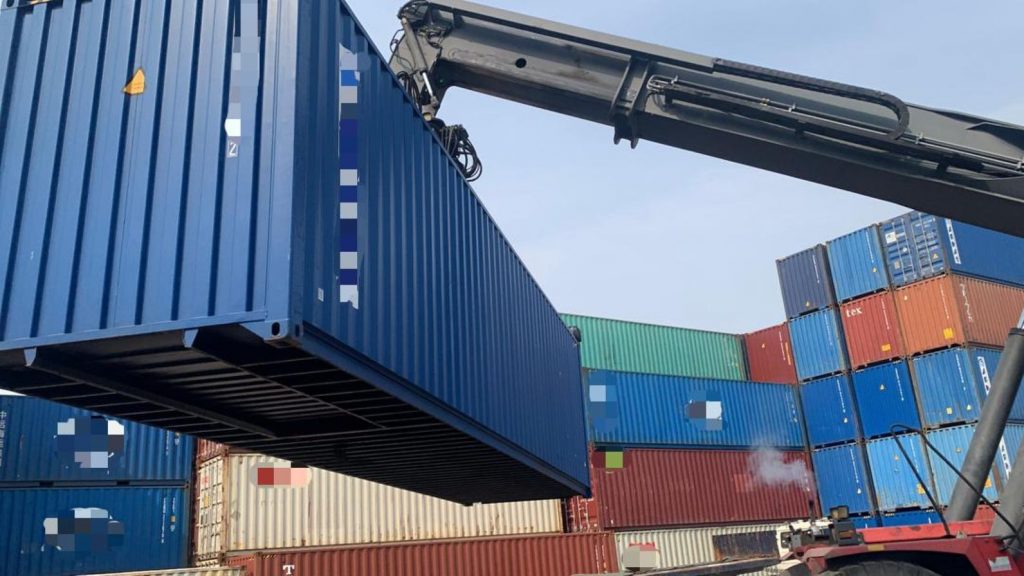
Nigeria’s agro export supply chain begins with sourcing commodities from farmers and aggregation centers. Before shipment, commodities typically pass through several stages:
- Commodity Sourcing and Aggregation: Agricultural commodities are collected from verified farming networks and suppliers before being transported to aggregation facilities.
- Quality Inspection: Products are inspected for moisture levels, impurities, contamination, and pest infestation.
- Cleaning and Processing: Many commodities must be cleaned, sorted, or dried to meet international buyer specifications.
- Packaging and Labeling: Products are bagged, weighed, and labeled according to export requirements.
- Export Documentation: Proper documentation is prepared to comply with Nigerian export regulations and importing country requirements.
- Shipping and Port Logistics: The cargo is transported to the port, loaded into containers, and shipped to international buyers.
Any mistake during these stages can lead to shipment delays or product rejection.
Common Agro Export Logistics Mistakes Before Shipment
Understanding these common mistakes can help exporters avoid costly problems.
1. Poor Quality Inspection
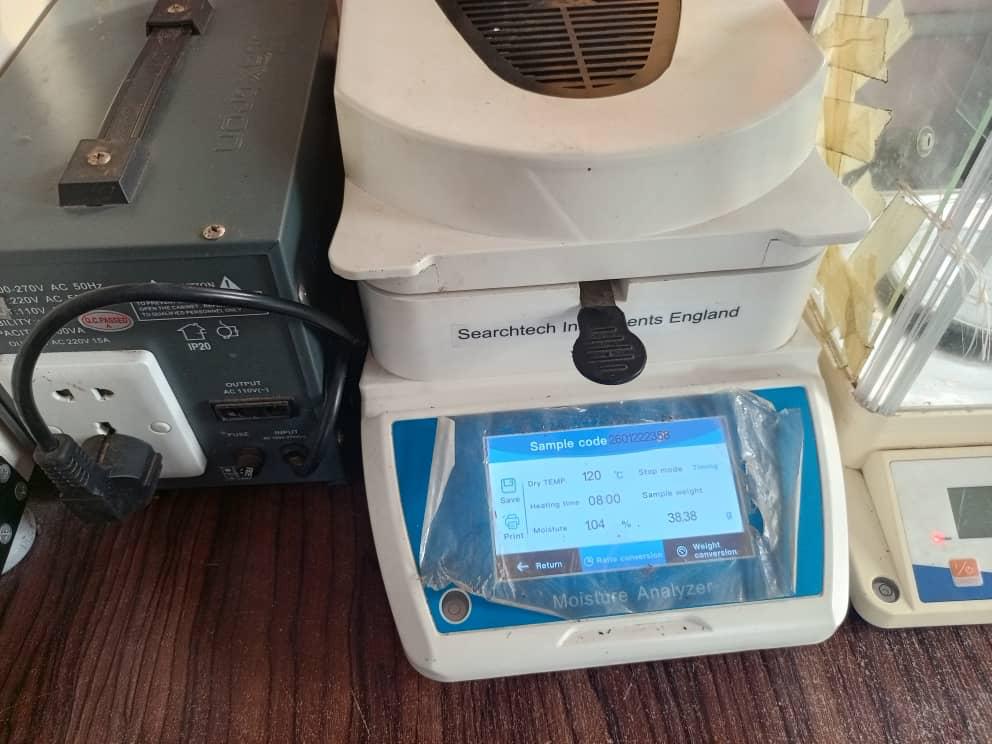
One of the most common issues in agro exports is inadequate product inspection. Agricultural commodities must be tested for:
- Moisture levels
- Foreign materials
- Mold contamination
- Pest infestation
If these checks are not properly conducted before packaging, the cargo may fail quality inspection at the destination port.
2. Improper Packaging and Bagging
Packaging protects commodities during transportation and storage. Common packaging mistakes include:
- Weak or damaged bags
- Poor stitching
- Inconsistent bag weight
- Lack of labeling
These issues can cause cargo losses during inland transportation or container loading.
3. Incorrect Export Documentation
Export documentation errors are a major cause of shipment delays. Typical export documents include:
- Commercial invoice
- Packing list
- Phytosanitary certificate
- Certificate of origin
- Bill of lading
Missing or incorrect documentation may prevent cargo from being cleared for export.
4. Poor Moisture Control
Agricultural commodities can quickly absorb moisture if stored improperly. Without proper drying and storage, products like maize, cassava chips, and soybeans may develop:
- Mold contamination
- Discoloration
- Unpleasant odor
Moisture management is critical to maintaining export-grade product quality.
5. Poor Container Preparation
Containers must be inspected and prepared before loading agro commodities. Common container problems include:
- Contamination from previous cargo
- Lack of container lining
- Poor ventilation
- Improper stacking of bags
Proper container preparation ensures commodities arrive safely at their destination.
6. Quality Control Measures Before Shipment
Strict quality control procedures are necessary before exporting agricultural commodities. Key measures include:
- Moisture testing before packaging
- Removal of foreign materials and impurities
- Proper drying procedures
- Standardized bagging and labeling
- Fumigation when required
- Final inspection before container loading
These procedures help ensure products meet international export standards.
Nigeria’s Agricultural Export Growth
Nigeria continues to expand its agricultural export sector, supplying commodities such as cocoa seeds & powder, sesame seeds, cassava products, palm products, soybeans, hibiscus, shea nuts and so on to global markets.
As international demand increases, efficient export logistics systems become essential for maintaining product quality and meeting global trade standards. Structured logistics planning helps exporters reduce shipment risks and maintain buyer confidence.
For international buyers sourcing commodities from Nigeria, working with reliable export partners significantly reduces logistics risks. Professional agro export companies help manage:
- Commodity sourcing and aggregation
- Supplier verification
- Quality inspection and grading
- Export documentation preparation
- Port logistics coordination
- Shipment tracking
This ensures agricultural commodities reach buyers on time and in export-ready condition.
How Verdantis Agro Produce Supports Reliable Agro Exports
Verdantis Agro Produce Limited works with trusted farming networks and commodity suppliers to facilitate responsible sourcing and export of selected agricultural commodities.
Our approach focuses on:
- Structured commodity aggregation
- Strict quality inspection procedures
- Moisture-controlled storage practices
- Standardized packaging and bagging
- Export documentation coordination
- Organized shipment planning
By managing these supply chain stages, Verdantis Agro Produce helps ensure agricultural commodities meet buyer specifications and international export requirements.
Frequently Asked Questions About Agro Export Logistics
Delays often occur due to documentation errors, poor packaging, quality inspection failures, or port congestion.
Exporters can reduce risks by maintaining strict quality control, proper drying procedures, accurate documentation, and professional container loading.
Typical documents include the commercial invoice, packing list, phytosanitary certificate, certificate of origin, and bill of lading.
Yes. Verdantis Agro Produce works with global buyers to facilitate sourcing, quality inspection, and export logistics for selected agricultural commodities.
Buyers interested in reliable sourcing partnerships can contact our team to discuss supply requirements.